- Products
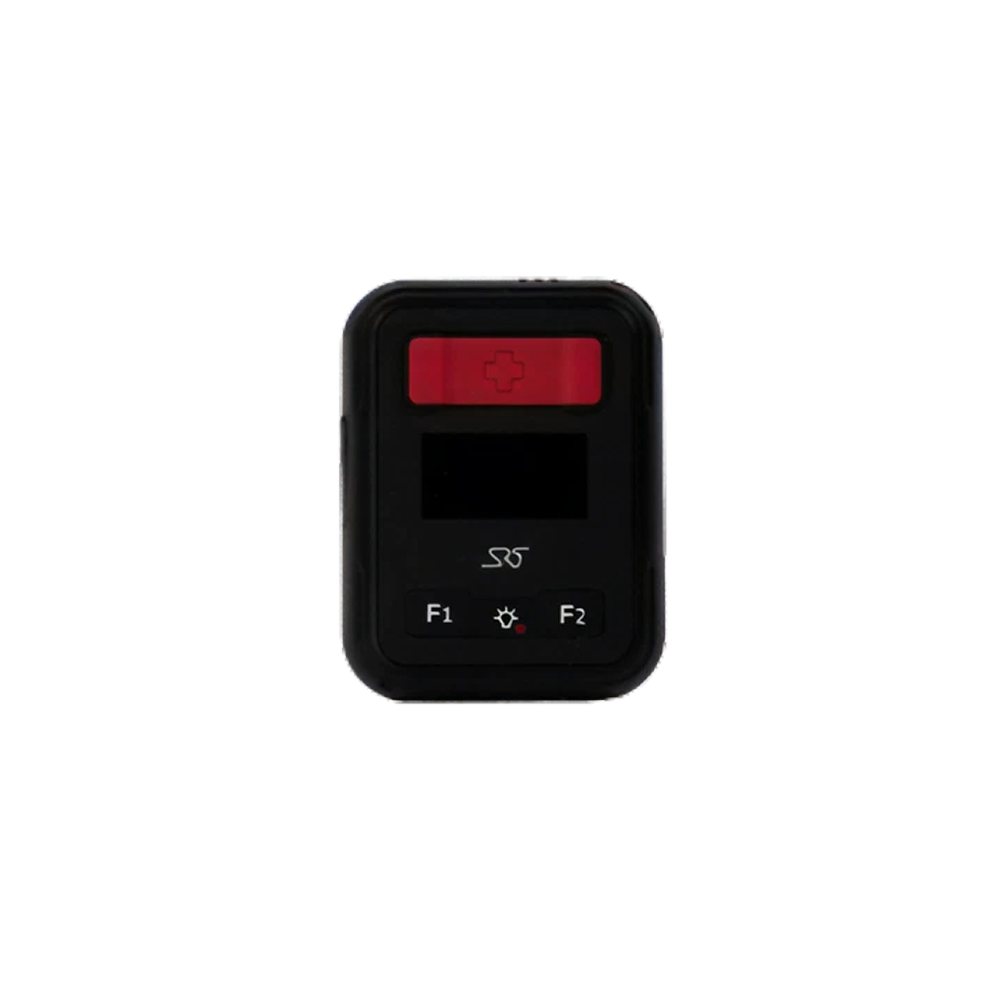 Alarm ManagementPerimeter protectionWorkplace Safety
SRT405
SRT405 is a compact and advanced personal alarm for organisations that require more than just an alarm button. With a clear display, voice communication, and support for both manual and automatic alarms, it provides staff with secure and reliable suppor...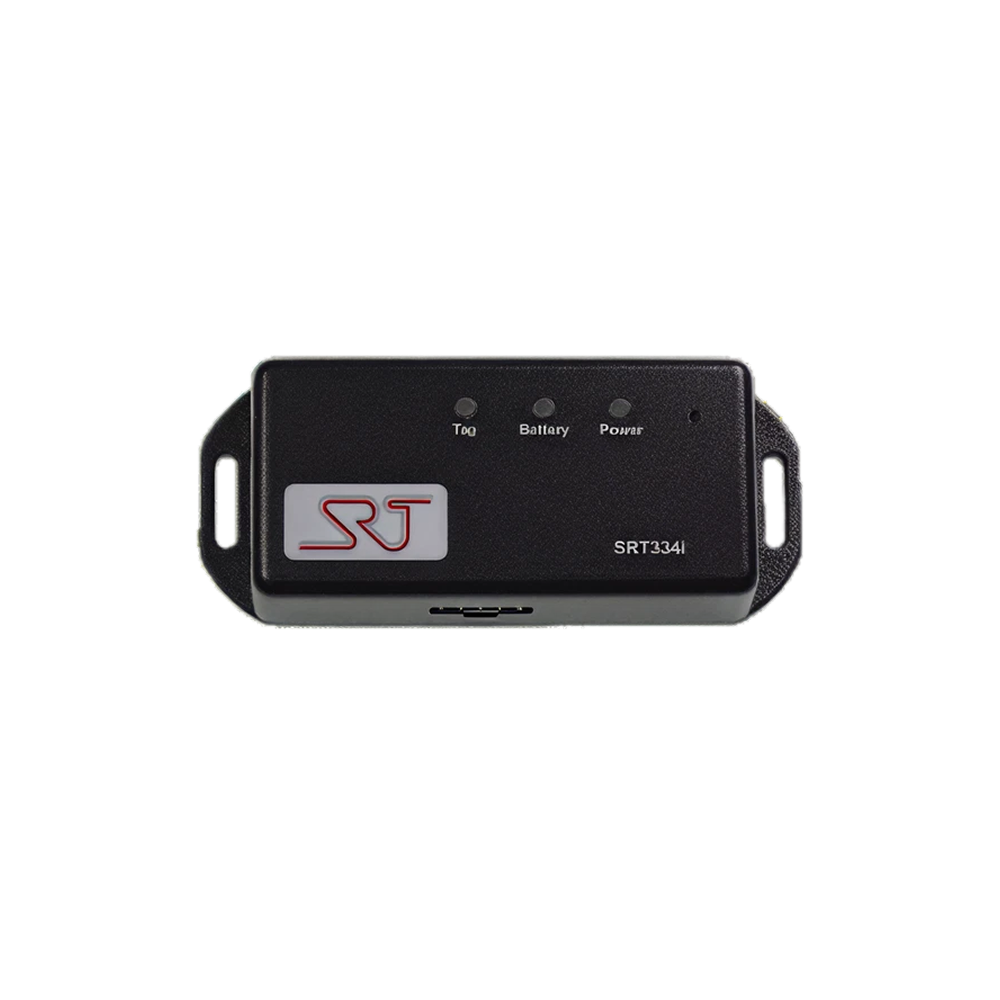 Alarm ManagementPerimeter protectionWorkplace Safety
SRT334i
SRT334 is an RF tag for indoor positioning, developed for operations where GPS is insufficient, that is, indoors. It is mounted at strategic locations within the premises and communicates with compatible personal alarms, so that the alarm receiver knows...
- Platform

Book a demo
Book a demoWe are happy to show you how our products can help you and your organization create an overview of your IT, cybersecurity and data protection.
- About us
Become a part of Securdia!
Work with usAt Securdia you work with important solutions that must last when it really matters. Do you recognize yourself in wanting to improve things and make them better than ever? Then you may have found the right place.
- Knowledgebank
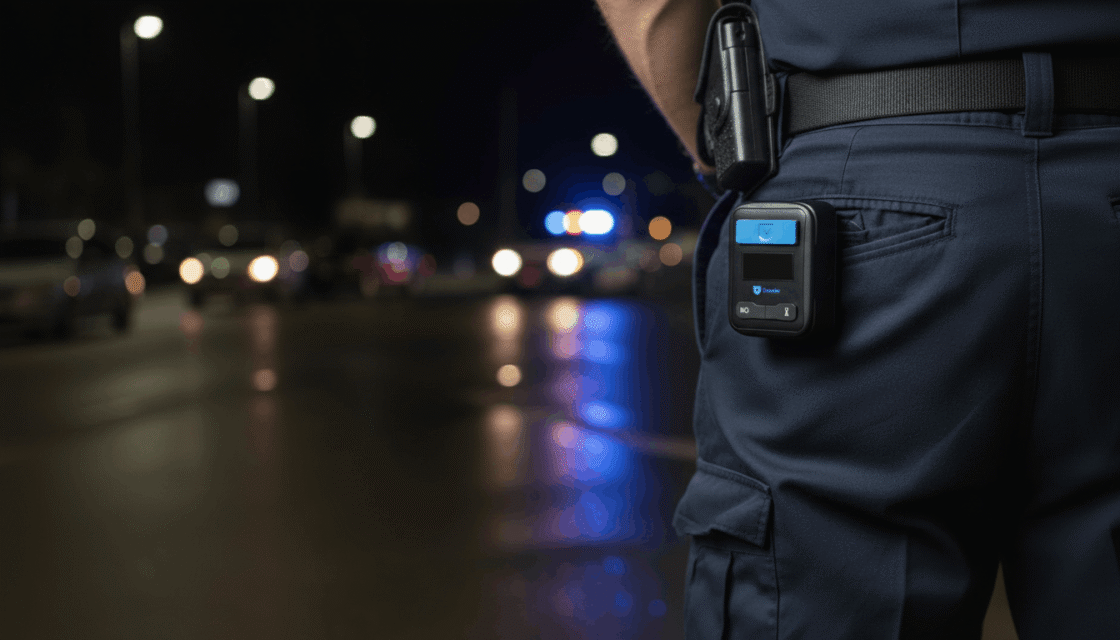
Half of Sweden's stores are subject to crime
Read articleAlmost half (48%) of Sweden's stores were subjected to crime or threatening behavior during the last quarter of 2025.




Half of Sweden’s stores are subjected to crime
- News
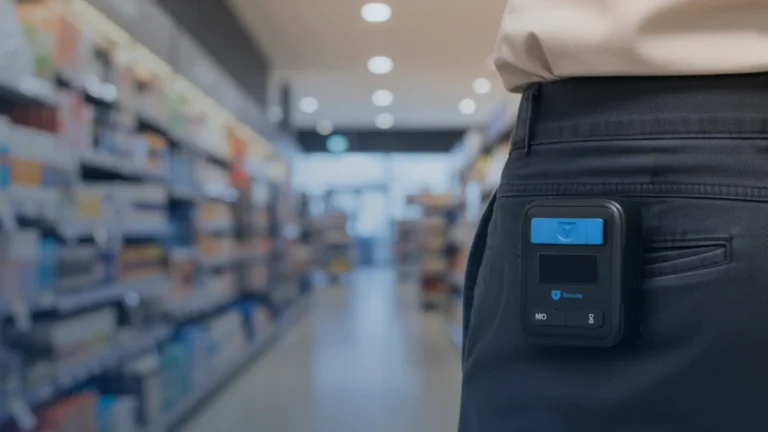
Almost half (48%) of Sweden's shops were subjected to crime or threatening behaviour during the last quarter of 2025. This is a figure that should prompt a reaction from more than just the security managers. At Securdia, we believe that this is a structural problem that affects staff, customers and entire operations every day. And unfortunately, the figures are not improving over the years. Nothing seems to change.
Thefts are still the most common, but what stands out in the Swedish Trade Federation's Security Barometer is how often threats and violence have become a part of everyday life. When staff are met with aggressive behaviour in connection with theft, or in completely different situations, a change must happen.
When crime becomes normalised
Another worrying sign is that many crimes are never reported to the police. The process is experienced as slow, complicated or ultimately pointless. It is very human to stop reporting when historically they have not led anywhere. The problem then becomes that the crimes don't show up in the statistics, leading to the continued use of the same systems and processes year after year.
Insecurity becomes the normal state. Staff get used to situations they should never have to accept. In the worst case, the operation eventually loses control over what actually happens in the store environment.
Not acceptable if you ask us, and it is also something that can be changed.
Technology does not solve everything, but the right conditions make a difference
It is easy to think that security is about more cameras, more alarms or stricter rules. But in practice it is about how staff act and how communication works when something happens.
What happens the moment someone feels threatened?
Who receives the information?
Are there routines that actually work under stress?
Is it possible to act quickly, or do you start looking for the right number, the right instruction, the right person?
All employees must obviously understand how the alarms work and how to get help in threatening situations. It should be obvious and simple. Only then can they truly feel safe.
What can you do today?
Regardless of the size of your operation, there are a few questions worth reviewing:
Do staff know what happens when an alarm is activated?
Are there clear action routines that are easy to follow in critical situations?
Do the right people get the right information at the right time?
Is it possible afterwards to understand what happened without guessing?
If the answer to any of these questions is "not quite", there is room to strengthen security. This does not mean the operation needs to become more complex; on the contrary. When you prioritise safety and review all processes, the goal is for everything to become easier to manage for everyone involved.
The goal is to work proactively
Finally, we also remember how important it is to work on preparations, rather than reacting when something happens. If you can create systems and processes that are ready when we humans need help, the sense of security increases enormously. And your employees enjoy their work more and can deliver better results.
Want to discuss your security with one of our experts? Get in touch and we will answer your questions.
More posts
Here we share experiences, insights, and things we think the security industry should talk more about.