
- Products
 Alarm ManagementPerimeter protectionWorkplace Safety
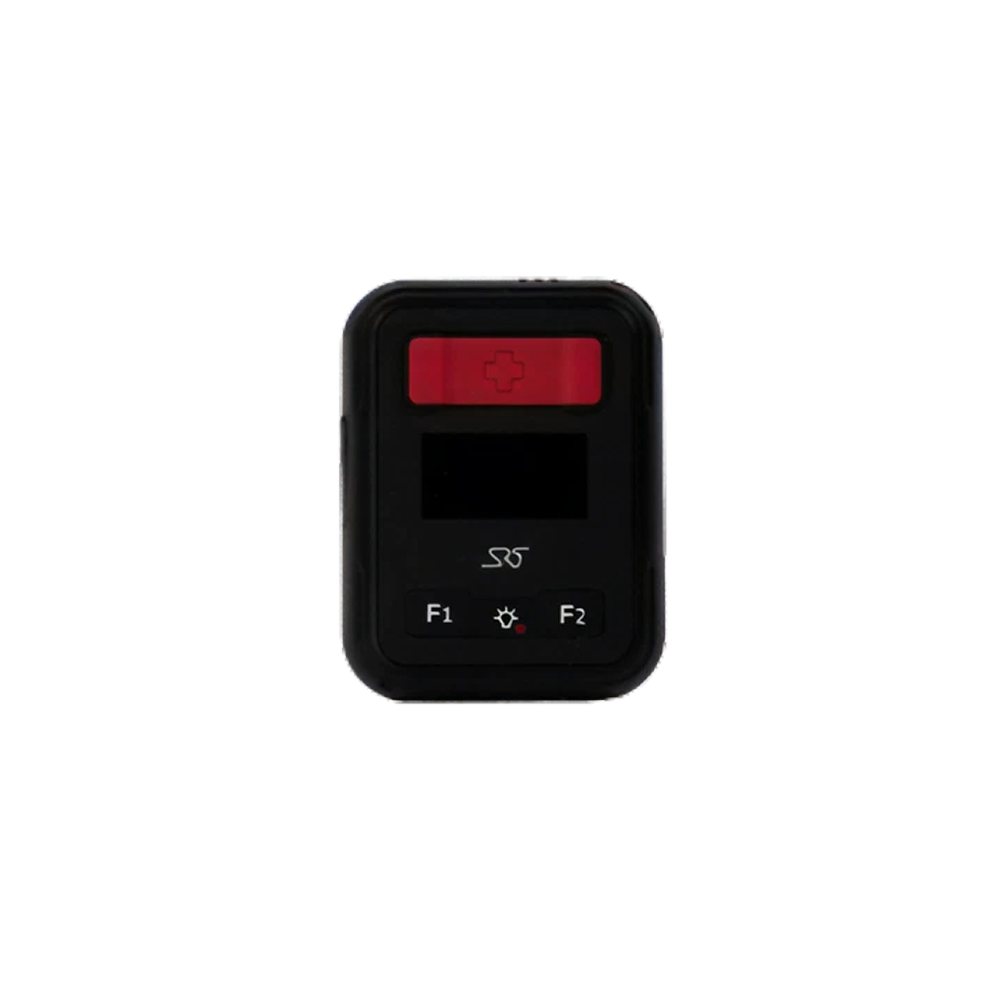
SRT405
SRT405 is a compact and advanced personal alarm for organisations that require more than just an alarm button. With a clear display, voice communication, and support for both manual and automatic alarms, it provides staff with secure and reliable suppor...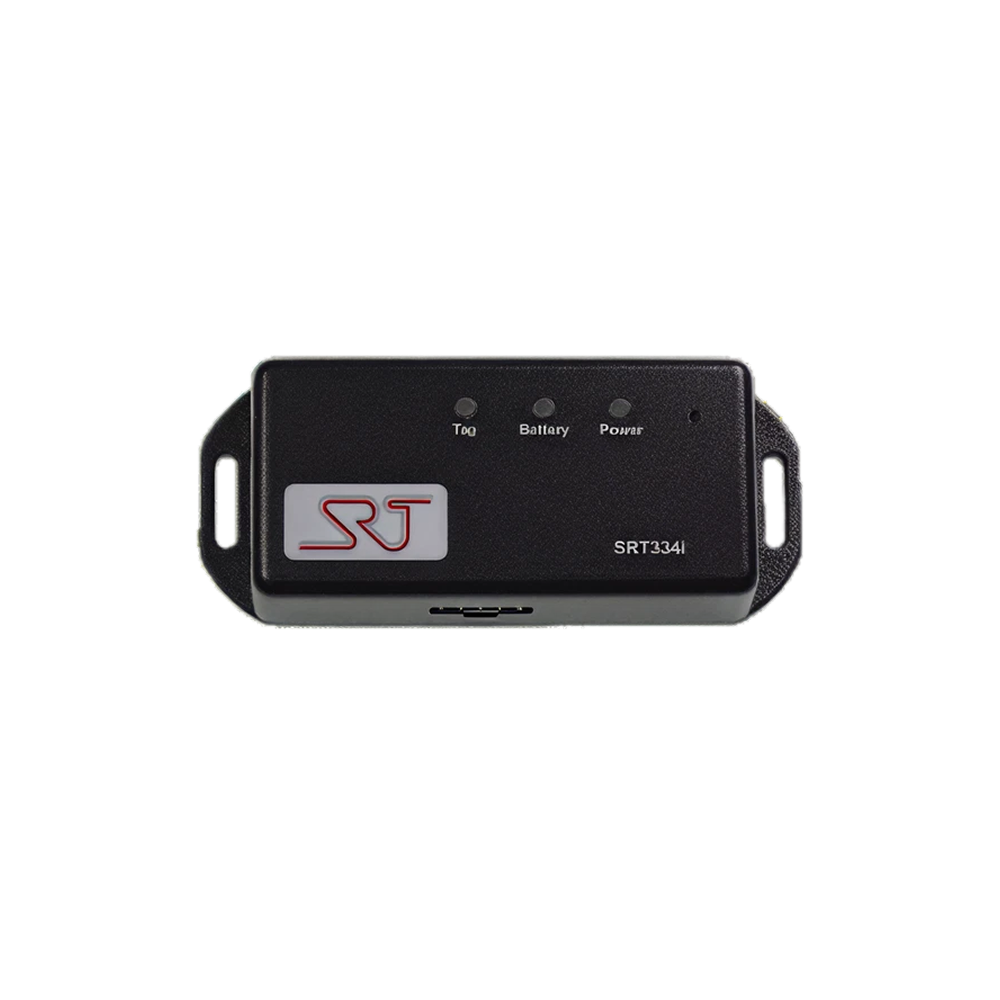 Alarm ManagementPerimeter protectionWorkplace Safety
SRT334i
SRT334 is an RF tag for indoor positioning, developed for operations where GPS is insufficient, that is, indoors. It is mounted at strategic locations within the premises and communicates with compatible personal alarms, so that the alarm receiver knows...
- Platform

Book a demo
Book a demoWe are happy to show you how our products can help you and your organization create an overview of your IT, cybersecurity and data protection.
- About us

Become a part of Securdia!
Work with usAt Securdia you work with important solutions that must last when it really matters. Do you recognize yourself in wanting to improve things and make them better than ever? Then you may have found the right place.
- Knowledgebank
Half of Sweden's stores are subject to crime
Read articleAlmost half (48%) of Sweden's stores were subjected to crime or threatening behavior during the last quarter of 2025.




When 2G and 3G die – will your alarms survive?
- News


1 December 2025 is the day when many alarms in Sweden went completely silent
Imagine an employee pressing their personal alarm in a threatening situation. The alarm flashes as usual, but nothing happens. The mobile network has been shut down. This is exactly what’s happening in many organisations as the 2G and 3G networks are now phased out in Sweden.
If you are responsible for alarms, security or workplace environment in a municipality or company, this concerns you directly. Because when the 2G and 3G networks are shut down, it’s not the technology that is at stake. It is the safety of your staff.
Why are 2G and 3G being shut down?
Short version: the technology is old and the operators need to free up space for 4G and 5G.
Longer version: it doesn’t matter. For you, this is not about mobile network architecture. It’s about your alarms having to work when someone presses the button.
We at Securdia talk every week with organisations who believe their alarms are secure. But when we test them, it turns out they are completely dependent on 2G or 3G, and therefore risk going completely silent.
The shutdown – here are the dates you need to know
3G is still active in a few places, but it was basically gone at the end of 2025.
Telenor/Tele2 shut down both 2G and the rest of 3G on 1 December 2025.
Telia will keep 2G alive longer, but only until the end of 2027.
For many organisations, this means: Alarms that only support 2G/3G may have stopped working completely as early as December 2025.
The equipment at risk of going silent
Anything that can only communicate via 2G or 3G is at risk. This includes, among others:
Personal alarms
Panic alarms
Home alarms and burglar alarms
Elevator alarms, operational alarms and other building monitoring
IoT equipment such as sensors, cameras, card terminals, GPS devices, and more.
If the technology does not support 4G, or preferably 5G, it’s time to act.
When safety falters – whose responsibility is it?
When a panic alarm does not get through, it’s not just a technical fault. It’s a situation where an employee is left alone without help.
We will see several examples where staff press the alarm in a threatening situation – the light is on, everything looks right, but no alarm centre receives the signal. Because the 2G network no longer exists. This is the reality many are heading towards without knowing it.
The consequences are that:
Staff lose their protection.
Burglar and building alarms go silent.
Trust in the employer is damaged.
And yes, as the employer you bear the responsibility for the working environment.
Here is what we think:
If you have promised staff personal alarms but not checked that they survived the shutdown, then you don’t have a technical problem. You have a workplace safety problem.
Checklist: Are your alarms under control?
1. Inventory everything that signals
Go through all equipment that communicates via the mobile network. Note the model, year, and which network technology it uses.
2. Ask the supplier – in writing
Ask straightforwardly: “Is this still working, even after 1 December 2025?”
Request information about:
Support for 4G/5G
Whether upgrades are possible
Whether the device must be replaced completely
3. Prioritise those that protect people first
Replace:
Personal alarms
Panic alarms
Alarms connected to burglary/fire and operationally critical functions
4. Test in real life
When you have new technology in place: test it. Not just in the office but in real environments such as basements, secluded rooms and in rural areas.
5. Inform the staff
Tell staff why you are replacing the alarms. And above all: make sure everyone knows how the alarms work.
What new alarms must be able to handle
When you replace personal alarms or alarm services; don’t just replace for the sake of it. Choose future-proof solutions.
Ensure the solution has:
Support for 4G (VoLTE), preferably also 5G
Automatic test alarms and status checks
Stable functionality in your actual working environments
Possibility for central administration, historical data and alarm overview
Training and support that are actually used by the staff
Summary: Don’t wait until the alarms go silent
When the networks die, old alarms die too. It’s a technical issue, but ultimately it’s about safety, workplace environment and responsibility. Your staff must be able to trust that the alarms work when it matters.
And if you want help with inventory, testing or switching to modern alarms?
We at Securdia are happy to help you. Contact one of our sales representatives.
More posts
Here we share experiences, insights, and things we think the security industry should talk more about.
Uncategorized
Threats and violence are increasing in Sweden – Mobile personal alarms are becoming an increasingly common security measure


News